
Heartfelt Holiday Practices That Enhance Family Connections
For me holidays aren’t just about the gifts or food on the table; there are moments when you want to connect with your loved ones. Traditions, whether big or small, have a way of weaving love, laughter, and meaning into our celebrations. The best part? They don’t have to be complicated or expensive; they just need to be intentional.
Quality family time during this period transcends physical proximity; it involves all international engagements in activities that promote genuine connection, understanding, and shared joy. In our increasingly busy and digitally distracted world, carving out moments of true presence becomes even more vital. Tradition can take many forms, from decorating together to preparing special recipes handed down through generations, or attending church services together or just attending some community events. Simple things can become a tradition.
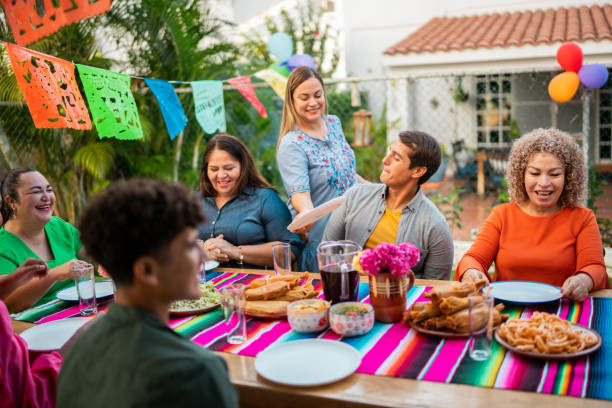
Family holiday traditions are the threads that weave a tapestry of shared history, cultural identity, and emotional security. These customs, whether rooted in cultural heritage or personal family history, serve as an anchor that provides stability amid the ever-changing seasons of life. Establishing and maintaining traditions creates a sense of belonging and pride, offering children and adults alike some comforting reminders of their roots and shared values.
The holidays offer the perfect time to teach children the importance of not only compassion, generosity, and community service. Helping others during the holiday by volunteering can be a transformative experience that deepens family bonds while making a positive impact on others. Volunteering together instills values of kindness and social responsibility, shaping children into caring and empathetic individuals.
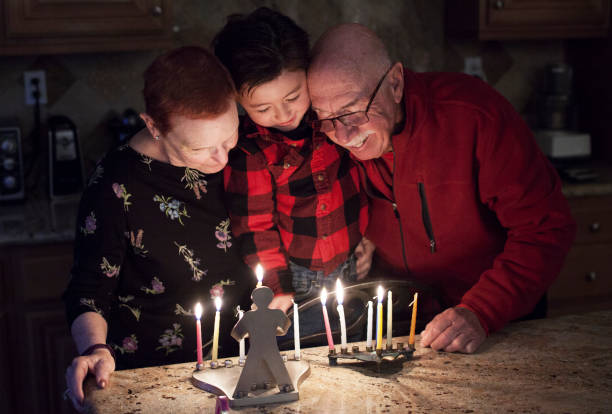
The simple acts of kindness during the holiday seasons have a ripple effect, spreading joy and reinforcing core family values of compassion, patience, and gratitude. These gestures, whether vif or small, serve as a powerful reminder that kindness is a gift that keeps on giving. From writing some heartfelt notes or delivering homemade treats, or just volunteering your time at charities each of these acts can contribute to a culture of caring that can extend beyond the holiday seasons to everyday life.
Making kindness one of the family’s top priorities encourages children to develop empathy and a sense of social responsibility. When parents model acts of kindness, children learn by their example. They start to understand the importance of patience, generosity, and thoughtfulness. These acts can be incorporated into any holiday tradition by just organizing fun family projects, like creating care packages for the homeless, writing an uplifting message to the neighbors, and more.

Building a stronger parent-child bond is fundamental to fostering a supportive, nurturing family environment. During the holiday season, engaging in activities that promote trust and emotional intimacy can be especially impactful, providing so many opportunities for meaningful interactions that deepen any relationship.
Having your children involved in holiday traditions is a powerful way to foster their sense of responsibility, creativity, and ownership of family customs. When your child participates in the activity in preparing the celebration, they will develop a deeper appreciation for the season and feel connected to their family heritage,
Getting your kids involved in traditions can include decorating the home, wrapping gifts, baking holiday treats, or creating homemade ornaments and cards. Assigning age-appropriate responsibilities teaches children about cooperation, patience, and the joy of helping. All of these activities stimulate their imagination and encourage problem-solving, making the holiday experience more engaging and memorable.
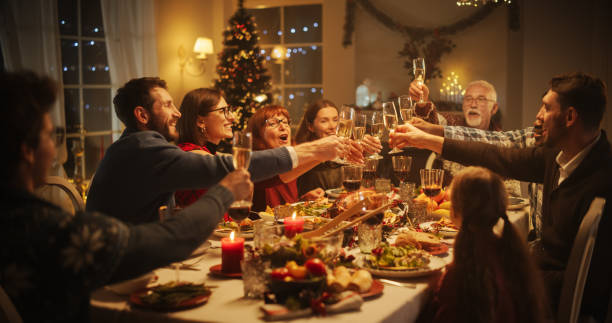
When you involve your children, you’re actually providing them opportunities for storytelling and passing down values and history, and stories of their own to share. When a child takes part in tradition building, they develop a sense of pride and ownership, which then enhances their connection with family customs. Participating in these traditions ensures that these are preserved and adapted over time, making the holidays inclusive and more meaningful for everyone. Involving children in the holiday preparations nurtures their sense of responsibility and deepens their emotional bonds within the family, enticing the festive experience for all.