Why Every Home Needs a Gratitude Wall
Gratitude walls are more than decorations. It can be a daily mental health tool that keeps your focus on abundance instead of lack. Even on those difficult days, seeing the wall of thankfulness can be grounding and healing,
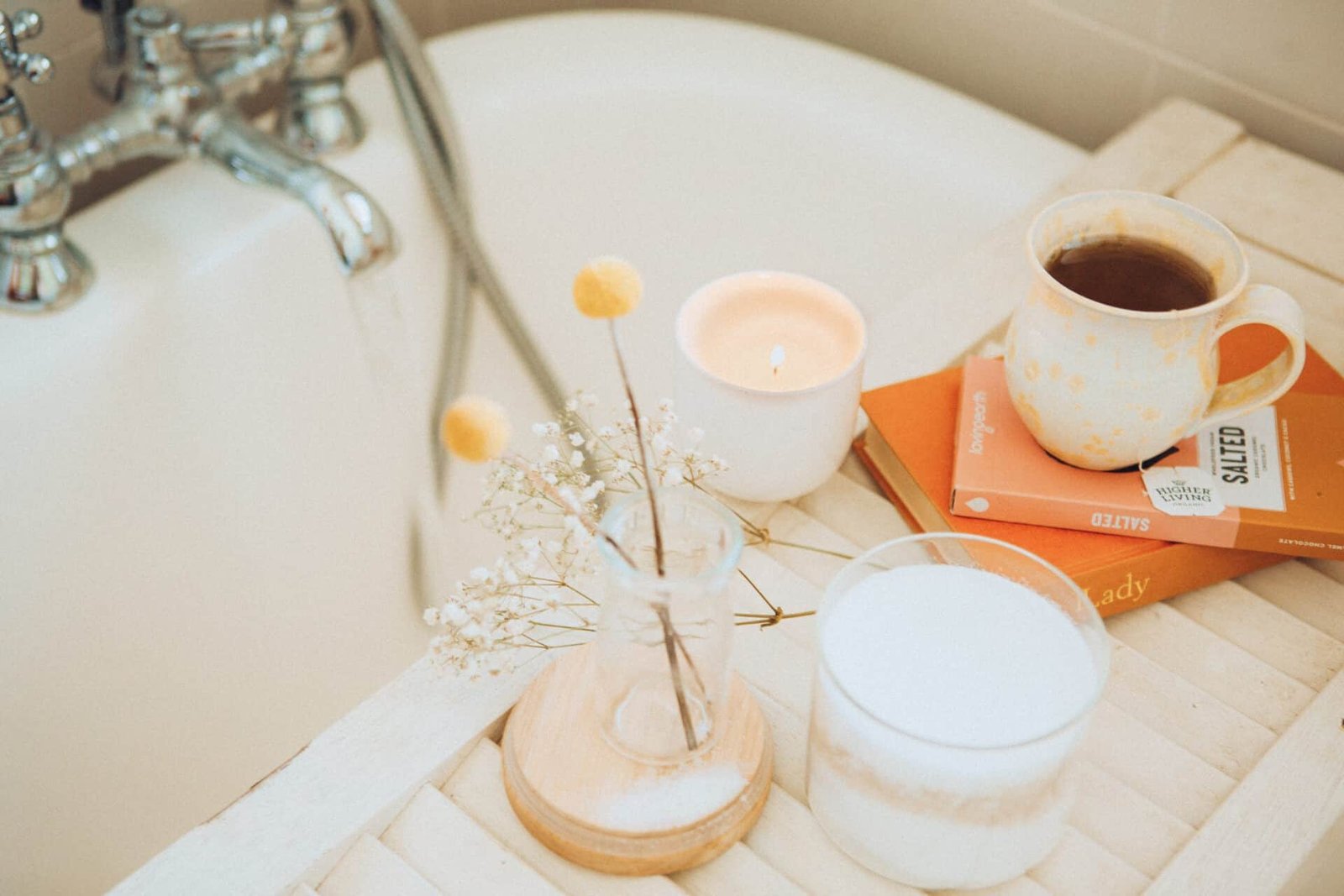
A well-curated sanctuary of calmness can serve as a vital tool for helping individuals to decompress and reflect on the day, and it can help them regain their inner balance. There are so many elements that can be used, such as soft lighting, natural textures and soothing colors, and of course, those personal touches like cherished photographs or something that has a meaning to you can also contribute to this calming atmosphere.

When all of these principles are integrated into your house decor, they create a nurturing environment that actively supports mental well-being. Thoughtful design choices, displaying affirmations, inspirational quotes, or some symbols of hope, serve as a constant reminder of positivity and resilience. The best thing about a gratitude wall is that it is a simple approach to transforming a simple decor element into a visual affirmation of appreciation and joy.
Having an emotionally supportive gratitude wall functions as a powerful sanctuary within the home, one that will nurture inner peace and emotional stability. It will provide a dedicated space where individuals can express their gratitude for life blessings both big and small, creating a reminder of hope and positivity. When days get challenging this visual reminder becomes the source of comfort, grounding individuals in appreciation and resilience. When family or roommates participate in contributing to the gratitude wall, it fosters a sense of shared connection and a mutual appreciation.
The symbol behind the wall extends far beyond its physical appearance, Its a visual testament to mindfulness, appreciation and positivity a daily reminder of abundance amidst adversity, Each of the notes, photos, or any of the symbols places on the wall embodies a moment of gratitude, whether its appreciation for loved ones, a personal achievement or a simple pleaser like a warm cup of coffee or watching a beautiful sunset, The wall becomes a living narrative of hope, resilience and abundance.
The gratitude wall can provide the perfect space for this intentional ritual. Establishing a routine, such as adding new notes each morning with a positive or even reflecting on your thankful evening, can create a sacred habit that anchors daily life in appreciation. This ritual can be as simple as jotting down kind acts you witnessed, a personal achievement, or a moment of joy you experienced during your day. over time, this consistent practice rewires the brain to only focus on the positive experiences, reducing all that stress and fostering nothing but happiness.
What are the benefits of maintaining a gratitude wall extend well beyond aesthetic appeal; they have profound implications for mental health, emotional resilience, and overall well-being. Being involved in regular engagements with a gratitude wall can help reduce symptoms of depression and anxiety by redirecting focus from being worried to negative thoughts to being blessed and having positive experiences. It helps to foster a sense of hope and contentment, the key ingredients for mental stability.
Having an inclusive gratitude practice within the home ensures that every individual feels valued, heard, and connected. Designing a gratitude wall with inclusivity in mind invites contributions from all family members, regardless of age, background, and beliefs. It then becomes a collection that expresses an appreciation that celebrates diversity and fosters sympathy. This will encourage everyone to share what they are grateful for. The home will then transform into a space of mutual respect, understanding, and shared joy, This inclusive approach can help to build a support community within the household.

Whether in a tiny apartment, a cozy nook, or a corner of a bedroom. a small gratitude wall can have a profound impact on your mental well-being. It can and will foster a sense of appreciation, mindfulness, and hope that it enriches everyday life, proving that even the smallest of spaces can hold a greater potential for emotional growth and positivity.